Cheese Pizza Boulder, Colorado: Tasty Ideas for Group Dining
@riverbrwu474
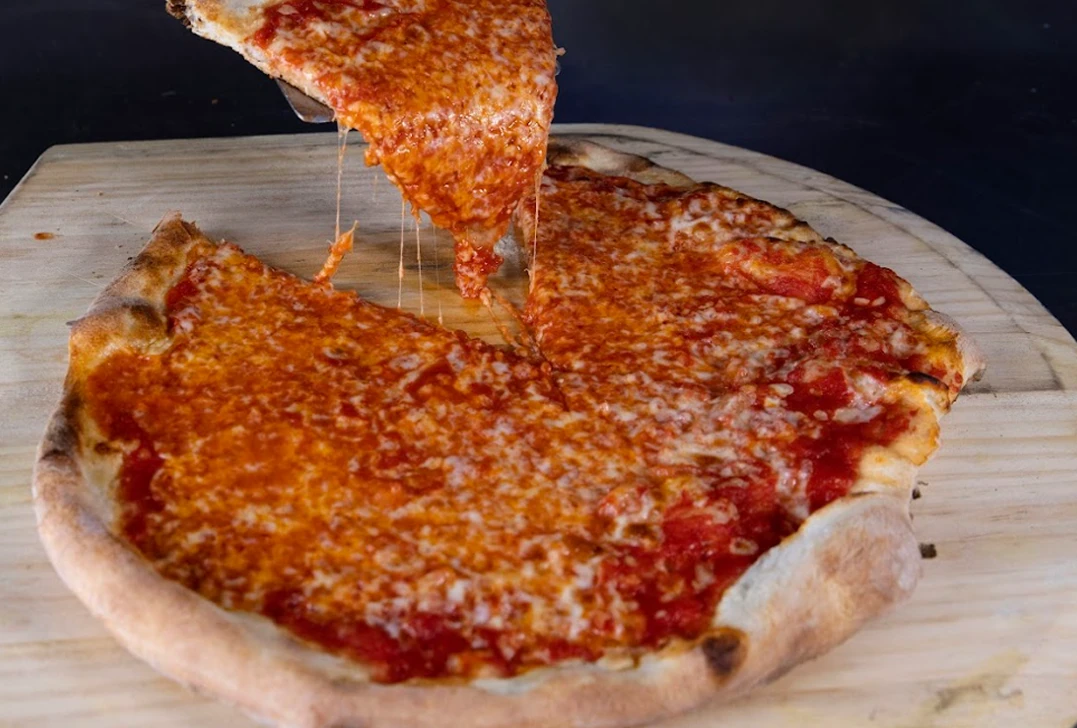
There is a reason cheese pizza remains the safest, smartest order for a crowd, especially in a place like Boulder. It is familiar without feeling boring, flexible enough for mixed ages, and surprisingly useful when a group includes cautious eaters, vegetarians, children, athletes, late arrivals, and the one person who insists they are "not that hungry" until the boxes open. When you are organizing a shared meal, plain cheese often does more work than the flashier pies.
That becomes even more obvious in Boulder, where group dining can take many forms. One night it means feeding a student project team after a long session near campus. Another night it means hosting family friends after a hike in Chautauqua, or bringing in dinner for an office gathering downtown. The setting changes, but the same questions come up every time. How much should you order? What holds up well if people trickle in? What travels best? What pleases the broadest range of eaters without turning dinner into a negotiation?
Cheese Pizza Boulder, Colorado searches usually start with a simple craving, but for groups, the decision is more strategic than it looks. A good cheese pizza order can anchor the whole meal, control cost, reduce waste, and keep service smooth. A bad one can leave people hungry, stuck with soggy slices, or quietly disappointed because the food arrived lukewarm and chaotic.
Why cheese pizza works so well for groups
A proper cheese pizza is not a fallback. At its best, it is the benchmark by which a pizza place earns trust. There is nowhere to hide. The crust has to stand on its own. The sauce needs balance. The cheese has to melt evenly, not slide off in one sheet or congeal into a rubbery layer after ten minutes in the box. When a kitchen can get those details right on a basic pie, you can usually count on consistency across a large order.
For group dining, that reliability matters more than novelty. Toppings create friction faster than people expect. Half the table wants pepperoni, two people avoid pork, one person dislikes olives, someone else cannot do spicy food, and another wants mushrooms "but only if they are fresh." That sort of customization sounds manageable until the order becomes a spreadsheet. Cheese removes most of that friction. It lets you cover the base needs first, then add a few specialty pies around the edges.
There is also a pacing advantage. Cheese pizza tends to satisfy a wider range of appetites at different moments. People can eat one slice during introductions, circle back for another after a drink, or pair it with salad and call it dinner. In office settings, that flexibility is valuable. In social settings, it keeps the meal relaxed. Nobody has to commit to a plated entrée or wait for the whole table to coordinate.
In Boulder specifically, where many gatherings blend indoor and outdoor plans, cheese pizza is forgiving. It can serve a post-bike-ride hangout, a casual birthday in the park, a department meeting, or a family movie night in a rental near the Flatirons. If the evening shifts, the food still works.
Boulder brings its own group dining realities
Planning food in Boulder comes with local habits and logistical quirks that influence what kind of pizza order succeeds. The city has a mix of university traffic, active families, tech and startup teams, and visitors cycling through on weekends. That means group meals often happen in compressed windows. A lunch meeting may need food delivered exactly between classes or calls. A dinner gathering may follow an outdoor activity, when everyone arrives hungry and less patient than usual.
Parking and pickup can matter more than people realize. Some groups assume they will "just grab" the pizzas, only to lose twenty minutes circling near a busy commercial area. Delivery sounds easier, but delivery timing can become unpredictable during peak game nights, storms, or weekend rush periods. When you are feeding more than eight or ten people, those small delays have a visible effect. Pizza that is acceptable at twenty minutes can be disappointing at forty-five.
Boulder also tends to have groups with more dietary variation than average. Even when cheese pizza is the core order, smart hosts think one layer beyond that. Who needs gluten-free? Does anyone avoid dairy? Are there enough sides so that people who eat lightly still feel included? Cheese is the foundation, not the whole plan.
That is why the most successful group pizza orders in Boulder usually feel simple on the surface and carefully thought out underneath.
How many pizzas do you actually need?
This is the question that trips people up most. Hosts either under-order because they assume everyone will "just have a slice or two," or they over-order because they are haunted by the idea of running out. The right answer depends on time of day, guest profile, and what else is on the table.
For a lunch meeting, adults often average two slices if there are salads, drinks, and maybe dessert. For a hungry dinner crowd, especially after outdoor activity or at student gatherings, three slices per person is a safer baseline. Teenage groups, college-age groups, and mixed gatherings where pizza is the only substantial food can go higher. A dozen moderately hungry office workers might be fine with four large pizzas and sides. That same number of people after a long hike or a late rehearsal may need five or six.
Crust style changes the math. Thicker crust fills people faster, while thin crust disappears quickly. Square-cut pizzas can create an illusion of abundance because there are more pieces, but those pieces are often smaller. The safest approach is to think in terms of appetite rather than pizza count. If your crowd includes athletes, teenagers, or anyone arriving late and starving, round up. Leftover cheese pizza is easy to reheat. A hungry room is much harder to fix.
One practical rule from experience: if you are torn between "probably enough" and "slightly too much," choose slightly too much. The leftovers will not go to waste, especially in shared housing, offices, or family groups.
The anatomy of a good group order
A successful group meal built around cheese pizza usually has a calm center. The center is the plain cheese order. Around that, you build just enough variety to make everyone feel considered without creating confusion.
For a group of ten to fifteen, the core might be mostly cheese pizzas, with one or two additional pies for meat eaters or vegetable lovers. For larger groups, keeping at least half the order as cheese is often wise. It sounds conservative, but it prevents the common problem where niche toppings dominate the table while the universally appealing slices vanish first.
Sides matter too, though not because they need to be elaborate. A crisp salad, breadsticks, or a simple antipasto tray can make the meal feel fuller and more balanced. In Boulder, where plenty of diners like lighter, fresher food alongside comfort items, that contrast works well. A bright salad next to hot pizza is rarely ignored.
Temperature and timing matter even more than variety. I have seen beautifully planned orders feel underwhelming because all the boxes were opened at once and left stacked on a conference table while everyone waited for the final attendees. Cheese pizza is at its best in the first stretch after it arrives. If your group is staggered, ask for the order to be split into two waves if the restaurant allows it, or hold some boxes closed until people are ready to eat.
Matching the pizza plan to the kind of gathering
Not every group dinner should be approached the same way. A campus study group has different needs than a birthday dinner for eight adults. Boulder has enough range in its dining occasions that it helps to think by scenario.
For office lunches, simplicity wins. Cheese pizza should make up the majority of the order because people are usually multitasking, eating while talking, or grabbing slices between meetings. The food should be easy to identify and easy to serve. This is not the place for highly customized topping combinations or messy specialty pies.
For family gatherings, cheese pizza often works best as a bridge between generations. Kids trust it, grandparents usually enjoy it, and adults can treat it as a dependable base while sampling a few more adventurous pies. If people are spending time together rather than focusing on the meal itself, familiar food helps the evening move naturally.
For student groups, volume and price sensitivity tend to matter most. Here, cheese pizza shines. It stretches the budget, satisfies late-night hunger, and can still feel generous when paired with drinks and one or two higher-interest pies. College groups also tend to tolerate casual serving conditions, which makes pizza ideal.
For celebrations, the role of cheese pizza changes a little. It becomes the stabilizer. If you want some crowd-pleasing specialty options, great, but do not eliminate the classics. The host who orders only trendy topping combinations often ends up wishing for two plain cheese pies once the first wave of enthusiasm fades.
Where people often make mistakes
The most common misstep is treating cheese pizza as an afterthought. Hosts spend all their time deciding on toppings and no time evaluating basics like crust style, box count, table space, plates, napkins, or delivery timing. Then the pizzas arrive and there is nowhere clean to set them, no one knows which box is which, and the first slices cool off while everyone sorts themselves out.
Another mistake is assuming every large pizza serves the same number of people. Sizes vary. Slice counts vary. Even how generously a place applies cheese or sauce can affect how filling the pizza feels. If you are ordering from a place you have not used before, ask questions instead of guessing. Good staff can usually tell you what works for groups.
A third mistake is forgetting the room itself. If your event is in a park, rooftop area, dorm lounge, or borrowed meeting room, think about wind, surface space, and cleanup. Pizza is casual, but group service still benefits from a little staging. Put drinks on one side, pizza on another, and sides or condiments in a separate zone so the whole crowd is not bottlenecked in one place.
Practical ways to make a cheese pizza spread feel generous
A plain pie does not have to feel plain. Presentation and supporting items make a difference. If you are feeding a group in Boulder and want the meal to feel thoughtful rather than merely convenient, a few small choices go a long way.
First, vary texture. If all the pizzas have the same crust and nothing crisp or fresh sits alongside them, the meal can feel one-note. Second, think about color on the table. Even one large salad or tray of vegetables changes the mood. Third, serve hot food hot. This sounds obvious, but it is the difference between a satisfying meal brooklynpizzaboulder.com Cheese Pizza Boulder, Colorado and a mediocre one.
Here are five additions that pair especially well with a cheese-pizza-centered group meal:
- A large green salad with a sharp vinaigrette
- Roasted vegetables or a simple antipasto plate
- Garlic knots or breadsticks for bigger appetites
- Sparkling water, iced tea, or simple canned drinks
- Brownies or cookies for an easy finish
That combination works because it respects what pizza already does well. You are not competing with it. You are rounding out the table.
Ordering for mixed dietary needs without overcomplicating things
Boulder diners often bring a wide range of preferences, and that can intimidate the person placing the order. It does not need to. The trick is to distinguish between core needs and optional wants.
If someone requires gluten-free food, handle that clearly and separately. If someone cannot eat dairy, do not assume they can "just have the salad" unless you have checked. But once true dietary restrictions are covered, resist the urge to solve every preference with custom pies. Group dining gets messy when every individual taste becomes a separate box.
A balanced order might include a solid base of cheese pizza, one gluten-free option if needed, one vegetable-forward pizza, and a dairy-free or vegan item only if the group requires it. Beyond that, the returns diminish quickly. People are generally happier with a straightforward spread that arrives hot and on time than with a highly personalized order that becomes hard to manage.
Communication helps. If you are hosting, ask guests in advance about actual restrictions, not just favorite toppings. That one distinction saves money and confusion.
Pickup, delivery, and the Boulder timing problem
There is a practical side to Cheese Pizza Boulder, Colorado plans that people sometimes ignore until the day of the event. Boulder traffic is not major-city traffic, but timing still gets slippery. A ten-minute drive can turn into a longer errand when downtown activity is heavy or when weather shifts. If your event starts at a precise time, decide early whether pickup or delivery gives you more control.
Pickup is often the better choice when you have a reliable runner, a vehicle, and a narrow serving window. You can check the order immediately and get the boxes to the event without an extra delivery queue. Delivery is better when the host cannot step away or when parking near the venue is a headache. Neither option is always superior. What matters is matching the method to the event.
If food quality is the top priority, build in a buffer but not too much of one. Pizzas should arrive close to serving time, not half an hour early. If you expect staggered guests, warm sides or room-temperature items can carry the early part of the gathering while the pizza lands at the moment people are ready for it.
One detail that gets overlooked: tip and confirmation practices. For larger orders, confirm the order directly with the restaurant if possible, especially if there are multiple dietary notes or timing requests. Clarity prevents expensive mistakes.
Budgeting without making the meal feel cheap
Cheese pizza is one of the best tools for feeding a group well on a controlled budget. It usually costs less than heavily topped pies, and because it appeals broadly, fewer slices go uneaten. That gives hosts room to spend strategically elsewhere, maybe on a better salad, dessert, or a few drinks.
There is a difference, though, between cost-conscious and skimpy. A sparse order sends the wrong signal, especially at work events or hosted social gatherings. People remember whether there was enough food. They also remember whether the host seemed prepared.
A better budgeting approach is to simplify the pizza selection, not reduce the amount too sharply. Three good cheese pizzas and one thoughtful side usually feel more generous than two complicated specialty pizzas and nothing else. When money is tight, consistency beats extravagance.
If you are feeding a larger crowd, ask about party packages or volume pricing, but keep your expectations realistic. Independent restaurants operate on margins, and deep discounts are not always available. Respectful communication goes a long way, especially for repeat office or community orders.
The small details that make the meal run smoothly
Hosts tend to focus on ordering and forget service flow. Yet service flow is what determines whether a casual pizza night feels effortless or scattered. You do not need formal catering gear, but you do need a little structure.
Set out plates and napkins before the food arrives. Open only the boxes people need immediately. Keep extra slices closed and warm as long as possible. Place dietary-specific items on a separate edge of the table so they do not disappear into the general mix. If you are outdoors, secure lightweight plates and stack napkins under something heavier. Boulder breezes have a way of turning simple setups into a scramble.
For larger groups, one person should quietly take ownership of the food table. Not to serve every slice, just to keep order. That person can rotate boxes forward, answer "which one is gluten-free?" And prevent the table from collapsing into cardboard chaos. It sounds minor, but it changes the tone of the meal.
When cheese pizza should not be the main plan
For all its strengths, cheese pizza is not the answer to every gathering. If the event is explicitly food-driven, such as a celebratory dinner with guests expecting a more varied culinary experience, plain pies alone may feel underpowered. If most of the group has dietary restrictions that make traditional cheese pizza impractical, another format may work better. And if the schedule involves a very long service window, foods that hold more gracefully at room temperature can outperform pizza.
But those are exceptions. For most casual, semi-casual, and work-related group meals in Boulder, cheese pizza earns its place because it handles unpredictability better than almost anything else. It is not trying to impress with complexity. It is trying to feed people well, without friction.
That is often exactly what a host needs.
A sensible blueprint for your next group order
If you want a dependable formula, keep it simple. Estimate honestly, round up a little, and let cheese pizza carry the bulk of the order. Add a fresh side, cover any true dietary restrictions, and pay close attention to timing. Most of the success comes from those choices, not from exotic toppings.
For many gatherings, this framework works well:
- Make at least half the pizzas plain cheese
- Add one or two specialty pies only after the basics are covered
- Include one fresh side to balance the meal
- Confirm timing and serving logistics in advance
- Order a little more than the bare minimum
That approach suits the reality of group dining in Boulder. People come hungry from class, work, trails, and errands. They arrive at slightly different times. They have different tastes but usually share the same hope, hot food, enough of it, and no fuss.
When those boxes hit the table and the cheese is still bubbling, nobody complains that the order was too classic. In practice, the simplest pie in the room is often the one that saves the evening. And for hosts trying to feed a group without stress, that is not a small thing.
Brooklyn Pizza
Address: 1647 Arapahoe Ave, Boulder, CO 80302
Phone number: +17203282324
FAQ About Cheese Pizza Boulder, Colorado
What is usually on a cheese pizza?
A standard cheese pizza consists of a yeast dough crust, a seasoned tomato-based sauce, and melted mozzarella cheese.
What is a cheese pizza called?
A basic cheese pizza is simply called a cheese pizza, a plain pizza, or a plain pie.
What is the best recipe for cheese pizza?
The best cheese pizza recipe uses high-heat baking, a simple raw tomato sauce, and a mix of low-moisture and fresh mozzarella cheese on a homemade yeast dough.