Cheese Pizza Inspiration for Your Next Homemade Meal
@riverbrwu474

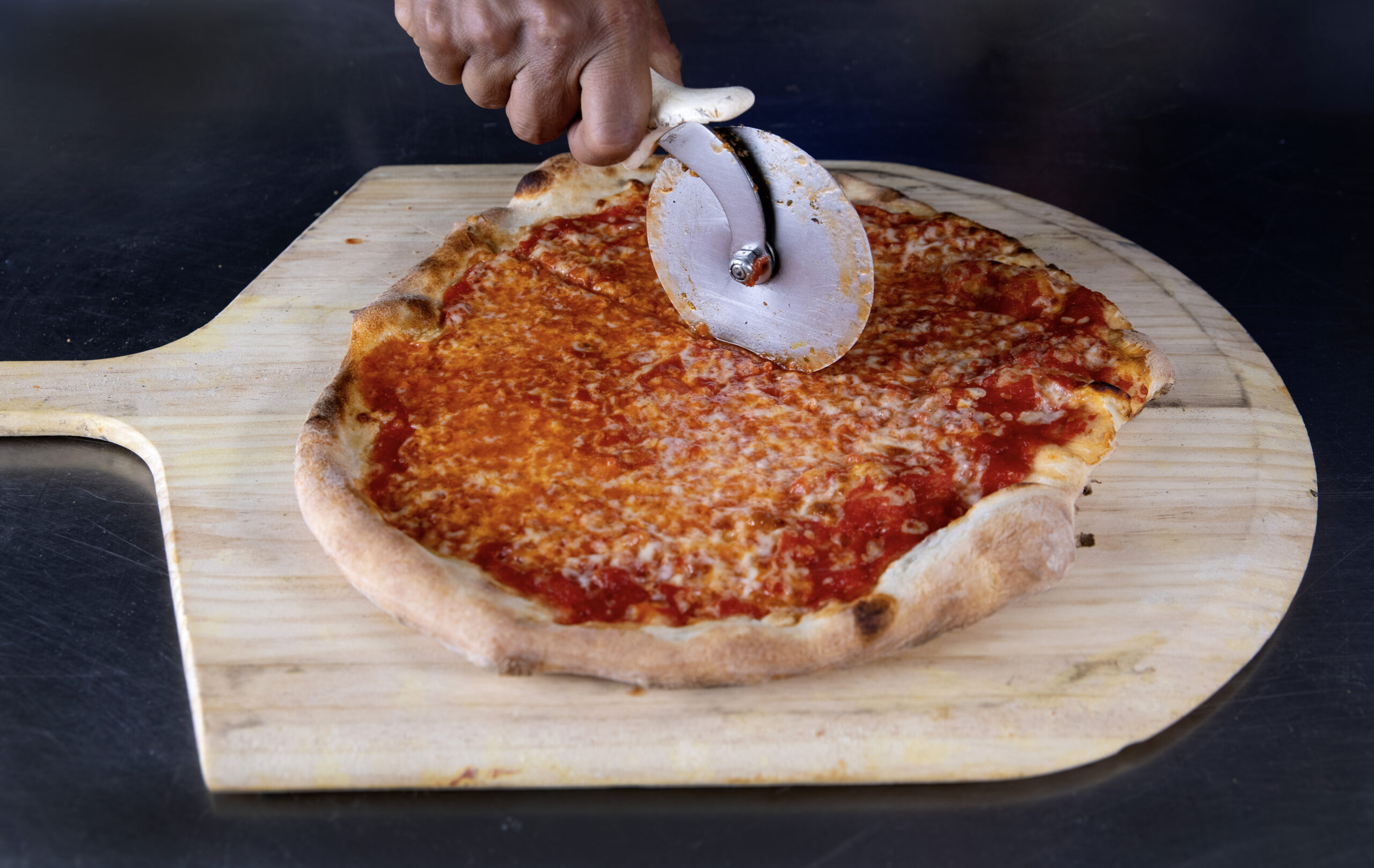
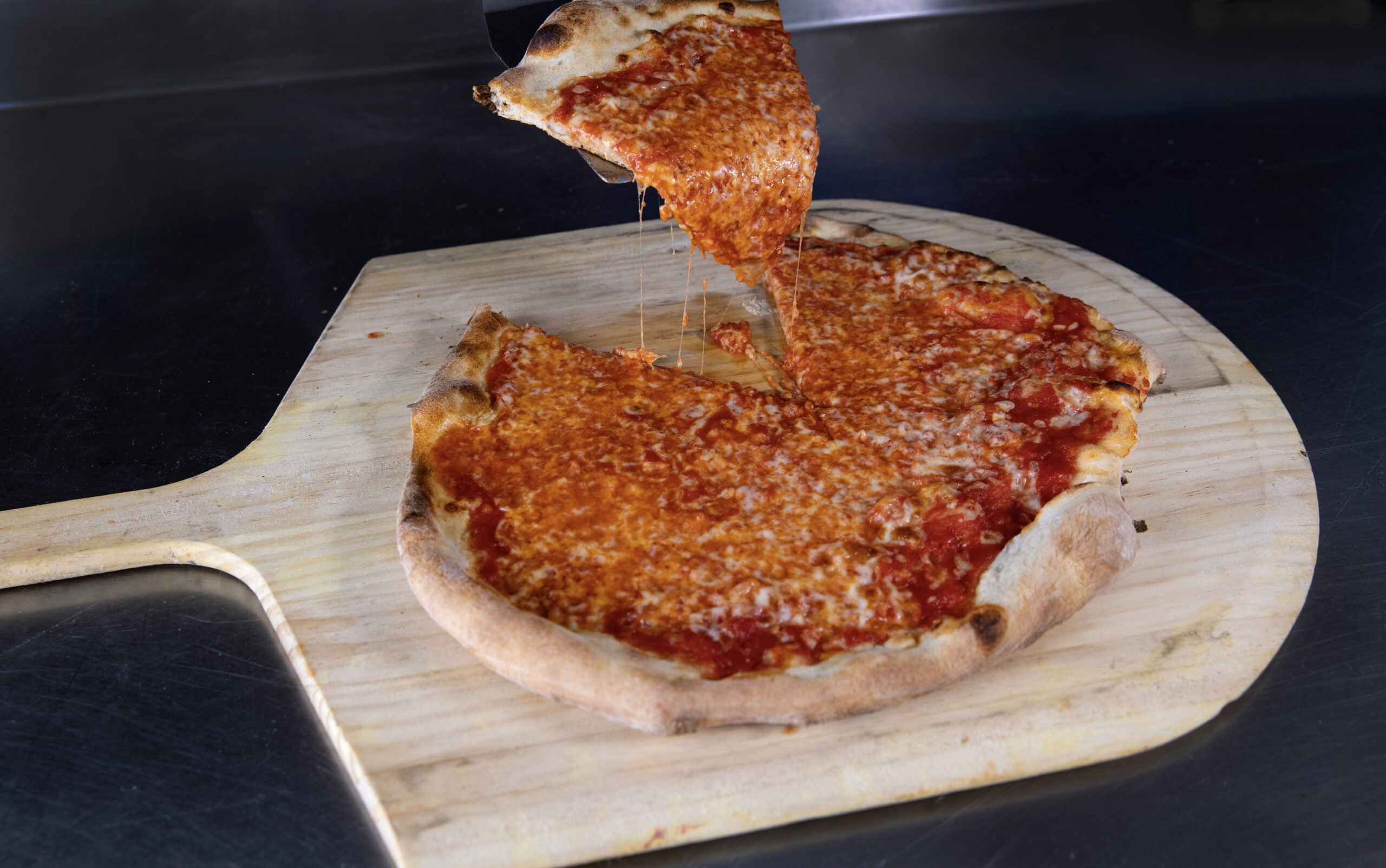
Cheese Pizza has a reputation for being the safe choice, the one ordered for a crowd when no one can agree on toppings. That undersells it. A well-made cheese pizza is one of the clearest tests of a cook’s judgment, because there is nowhere to hide. The dough has to rise properly. The sauce has to be balanced. The cheese has to melt evenly, brown in the right spots, and still taste like milk rather than grease. When those pieces line up, a simple homemade pie can feel more satisfying than something overloaded with toppings.
That is part of its appeal at home. Cheese pizza asks for attention, but not extravagance. You can make a memorable version with flour, yeast, tomatoes, olive oil, mozzarella, and a little patience. You can also steer it in very different directions depending on the mood of the meal. Some nights call for a thin, crisp crust with restrained sauce and a light hand on the cheese. Other nights call for a thicker, softer base with bubbling corners and a generous layer of whole-milk mozzarella. The beauty is that the same basic idea supports both.
Home cooks often improve their pizza most when they stop treating cheese pizza as plain and start treating it as precise. Precision does not mean fussiness. It means knowing why one dough proves better in a cool kitchen, why low-moisture mozzarella browns more predictably than fresh, and why sauce applied too thickly can sabotage a crust before it ever reaches the table. Once those details click, cheese pizza becomes one of the most reliable, flexible homemade meals you can make.
Why cheese pizza rewards good technique
Toppings can mask flaws. A pile of sausage and peppers distracts from a dense crust. Extra olives and onions can cover a timid sauce. Cheese pizza offers no such camouflage. The crust, sauce, and cheese are exposed, and each bite reveals whether they are working together.
That is exactly why many experienced cooks return to it. It is honest food. If your oven runs hot in the back left corner, cheese pizza will show you. If your dough was under-fermented, you will notice the tight crumb and pale flavor. If your sauce was too watery, the center will sag. These are useful signals, not failures. They help you refine your process quickly.
There is also a budgetary advantage. Compared with meat-heavy pizzas or specialty topping combinations, cheese pizza is economical. Good flour, canned tomatoes, and mozzarella stretch far. That makes it ideal for practice, and practice matters. The home cooks who turn out consistently excellent pizza are rarely relying on luck. They have simply made enough pies to understand how their ingredients behave in their kitchen, in their oven, and on their preferred pan or stone.
Start with the crust you actually want to eat
A lot of pizza frustration begins here. People chase a style they enjoyed at a restaurant without asking whether their equipment can produce something similar. A blazing wood-fired oven and a standard home oven are not interchangeable. You can still make excellent cheese pizza at home, but it helps to choose a crust style that suits your setup.
If you have a baking steel or stone and an oven that can hold a high temperature well, a thinner round pie is realistic. The crust will blister more readily and set faster. If your oven is weaker, or if you like a more forgiving bake, a pan pizza is often the better route. The oil helps conduct heat, the pan retains it, and the dough has more support while it cooks. This is one reason pan-style cheese pizza is such a smart homemade meal. It gives you crispness underneath, softness inside, and plenty of room for browning cheese without demanding professional equipment.
Hydration matters too. Wetter doughs can produce beautiful open crumb and light texture, but they are trickier to handle. Drier doughs shape more easily and often suit beginners better. There is no virtue in making the process harder than it needs to be. If you are still learning to stretch dough without tearing it, a modestly hydrated dough is often the smarter choice.
Fermentation may be the most underrated factor. Even a basic dough improves noticeably with time. An overnight rise in the refrigerator deepens flavor, improves browning, and makes the dough easier to digest for many people. Same-day dough can work, especially when schedules are tight, but it rarely has the same nuance. When I want a dependable Friday night cheese pizza, I usually mix the dough on Thursday evening. That one decision solves several problems at once.
Sauce should support, not flood
A common homemade mistake is using too much sauce, especially on cheese pizza. It feels generous in the moment and disappointing in the oven. Excess sauce weighs down the center, delays baking, and leaves the crust gummy. A modest layer, spread nearly to the edge but not piled on, gives the pie better balance.
The sauce itself does not need to be elaborate. In fact, simpler is often better. Good canned tomatoes, crushed by hand or pulsed briefly, with salt and a little olive oil can be enough. Some cooks add a pinch of sugar, but it is usually unnecessary if the tomatoes are decent. A clove of grated garlic can be useful, though too much overwhelms quickly. Dried oregano has its place, especially if you want an old-school pizzeria flavor, but it should sit in the background rather than dominate.
Uncooked sauce works well for many home pizzas because it keeps the flavor fresh and bright. Cooked sauce gives you a darker, more concentrated result. Neither is inherently superior. It comes down to what style you want. For a thin cheese pizza with a short bake, uncooked sauce often tastes lively and clean. For a thicker pan pizza, a briefly simmered sauce can hold its own against more crust and more cheese.
The best test is the spoon test. Taste a spoonful of your sauce cold, then imagine it after ten minutes in a hot oven. If it already tastes flat, it will not improve. If it tastes aggressively salty or garlicky, it may become harsher as moisture evaporates. Balanced sauce should taste slightly vivid before it bakes, not punishing.
The cheese choice changes everything
People often say “mozzarella” as if it were one thing. It is not. Fresh mozzarella, packed in water, brings tenderness and milky flavor, but it also brings moisture. Low-moisture mozzarella melts more evenly and browns more predictably. Whole-milk versions taste richer. Part-skim versions can produce a Cheese Pizza firmer, more nostalgic pizzeria finish.
For most home cooks making cheese pizza, low-moisture whole-milk mozzarella is the easiest path to success. It shreds well, melts smoothly, and gives you those browned spots people expect. Fresh mozzarella can be wonderful, but it usually needs more management. You may need to tear it into pieces, drain it well, and use less than you think. Otherwise, water pools on the surface and the pie steams instead of bakes.
Blending cheeses can be useful, though restraint helps. A touch of provolone adds depth. A little fontina adds richness. Parmesan or pecorino over the top adds salt and nuttiness. But the more cheeses you combine, the more likely you are to lose the clean identity that makes cheese pizza satisfying in the first place. If the pie no longer tastes distinctly of mozzarella and baked dough, you may have wandered into excess.
One practical note from repeated trial and error: shred your own cheese when possible. Pre-shredded bags often contain anti-caking agents that interfere with the melt. The difference is not always dramatic, but on a pizza with only a few major components, small differences show up clearly.
What “simple” can still mean
A cheese pizza does not need toppings, but it benefits from thoughtfulness. Small decisions shape the final mood of the meal. Olive oil brushed lightly on the rim creates better color and a subtle crispness. A dusting of grated hard cheese after the bake adds savory lift. A few torn basil leaves, added at the end rather than before baking, bring freshness without blackening. Red pepper flakes at the table can sharpen a mild pie instantly.
This is where the dish becomes expressive rather than basic. You are not piling on ingredients for novelty. You are adjusting texture, aroma, and intensity with a cook’s eye. That can be the difference between pizza that feels homemade in the best sense and pizza that feels merely improvised.
I have seen this most clearly when cooking for mixed groups. Children often want straightforward, familiar cheese pizza. Adults usually claim they want something more “interesting.” Then the plain pie comes out with a deeply browned crust, restrained sauce, and balanced seasoning, and it disappears first. Simplicity wins when it is done with conviction.
Five cheese pizza directions worth trying
These are not rigid recipes. Think of them as mood boards for your next homemade meal.
- A New York-inspired pie with thin crust, bright tomato sauce, low-moisture mozzarella, and a pinch of dried oregano.
- A pan-baked version with a thicker crust, olive oil in the pan, generous cheese to the edges, and crisp caramelized corners.
- A white-adjacent cheese pizza with very light sauce, mozzarella, ricotta dollops added sparingly, and black pepper after baking.
- A tavern-style approach cut into squares, with a cracker-thin crust and an even blanket of finely shredded cheese.
- A margherita-leaning version with fresh mozzarella used carefully, basil added after the bake, and a restrained hand overall.
The point is not to mimic a regional Cheese Pizza standard perfectly. The point is to recognize that cheese pizza can shift character dramatically without becoming complicated. Even changing the cut changes perception. Triangles feel classic. Squares feel casual and sharable. Larger slices suit a meal. Smaller pieces invite grazing.
Your oven matters more than most recipes admit
Many pizza recipes are written as though all ovens perform alike. They do not. Some home ovens lose heat every time the door opens. Some run hot by twenty degrees. Some have excellent broilers. Others barely brown cheese. Learning your oven pays off more than chasing fashionable dough formulas.
Preheating deserves patience. If you are baking on a stone or steel, the surface needs more time than the air in the oven. The display may say the oven is ready, while the baking surface is still underheated. Give it extra time, often thirty to forty-five minutes for a stone or steel, if you want good bottom color. For pan pizza, a slightly lower but fully stabilized oven often works better than a wildly hot one.
Broiler finishing is one of the handiest home techniques. If the crust is done but the cheese looks pale, a brief finish under the broiler can fix the balance. This takes attention. Sixty seconds too long can push a pie from appetizing to scorched. Still, once you understand your broiler, it becomes a strong tool for getting that attractive mottled top many people associate with restaurant pizza.
Position in the oven matters as well. Lower racks usually help bottom browning. Upper racks help top browning. If you struggle with a pale underside, moving lower can do more than adding extra bake time. Extra time alone may simply dry out the cheese.
Building a homemade pizza night that feels easy
Cheese pizza is one of the best centerpieces for a low-stress homemade meal because so much can be prepared ahead. Dough can be made a day or two early. Sauce can be mixed in the morning. Cheese can be shredded in advance. Once the oven is hot, assembly becomes quick.
That has social value. If guests are over, you do not want to be measuring seasonings while everyone waits hungrily around the kitchen. A prepared setup lets you shape, top, and bake with confidence. It also turns pizza night into a flexible rhythm. One pie comes out, people eat, another goes in. The meal unfolds naturally rather than landing all at once.
There is also a strong argument for serving cheese pizza with only a couple of side elements. A bitter salad with lemony dressing works because it cuts the richness. Roasted vegetables can work, though they should not feel obligatory. Sometimes the better pairing is simply cold sparkling water or a light beer and room at the table for a second slice. The meal should feel coherent, not overdesigned.
Common problems and what usually fixes them
Most disappointing homemade cheese pizza can be traced to one of a few causes. The useful part is that the fixes are usually straightforward.
If the crust is pale and dense, fermentation may have been too short, or the oven and baking surface may not have been hot enough. If the center is soggy, the usual culprits are too much sauce, overly wet cheese, or a dough stretched too thick in the middle. If the top burns before the bottom colors, the pizza may be too high in the oven, or your pan may be too insulating. If the cheese slides off in one sheet, there may be too much of it, or the sauce-cheese ratio may be off.
One issue that surprises newer cooks is blandness. Even when texture is decent, homemade pizza can taste muted. Salt is often the missing piece, but not always only in the dough. Sauce may need more seasoning. A final sprinkle of hard cheese may add the savory edge the pie lacks. Olive oil can help carry aroma. Sometimes the answer is as small as a few grains of flaky salt on the crust right after baking.
Here are the adjustments I reach for most often:
- Use less sauce than feels instinctive, especially on a first attempt with a new dough.
- Choose low-moisture whole-milk mozzarella when consistency matters more than romance.
- Preheat longer than you think necessary if you are baking on stone or steel.
- Let the dough rest if it fights back while shaping, rather than forcing it thin.
- Finish with something fresh or sharp, basil, Parmesan, black pepper, depending on the style.
These are small corrections, but pizza is a game of small corrections. You rarely need a total overhaul.
When cheese pizza becomes dinner, not just a snack
There is a difference between a pizza that tastes good and a pizza that satisfies as a full meal. Cheese pizza can absolutely do the latter, but the balance shifts a little. The crust needs enough structure to support a proper slice. The cheese should be ample enough to feel generous but not so heavy that two slices become tiring. The sauce should bring brightness, or the meal can feel monotonous halfway through.
Portion size matters too. A large, thin cheese pizza can look substantial and still leave people grazing in the kitchen twenty minutes later. A smaller, slightly thicker pie may be more filling. If I am cooking for adults and want the meal to hold, I tend to favor either a pan pizza or a thin pie served with a salad and a crisp edge that encourages slower eating.
Timing also matters. Pizza is best when it rests briefly but not too long. Straight from the oven, molten cheese can pull away and burn mouths. Left too long, the crust loses some of its crackle. Two to four minutes on a rack or board often gives the pie time to settle. That short pause makes slicing cleaner and eating better.
A few combinations that elevate the experience without changing the identity
Cheese pizza shines when the extras are subtle enough that the pie still reads as cheese first. A drizzle of olive oil infused with garlic can add fragrance without turning the surface greasy. A pinch of fennel pollen, if you happen to have it, can create a surprisingly elegant finish. Calabrian chile oil brings warmth and fruitiness. Even a brush of butter mixed with grated cheese on the crust edge can push a pan pizza into deeply comforting territory.
One of the best restaurant habits to borrow is restraint with garnish placement. Scatter is usually better than pile. If every basil leaf sits in one quadrant, half the pizza tastes unfinished. If hard cheese is dumped in the middle, the edges miss the seasoning. Even distribution sounds obvious, yet it is one of those quiet professional habits that improves the pie immediately.
Another worthwhile habit is cutting with purpose. A crisp thin pie benefits from decisive cuts that do not drag the cheese. A pan pizza often slices best after a moment of cooling, when the cheese has set just enough to stay attached. These details sound minor until you serve a pizza to other people. Then they become the difference between a neat, inviting meal and a floppy scramble on a cutting board.
The deeper appeal of making it yourself
Homemade cheese pizza is not only about thrift or customization. It is about control, and control leads to satisfaction. You decide whether the crust should crackle or chew. You decide whether the sauce tastes sweet, sharp, or herbal. You decide whether the cheese blankets the surface or sits in islands. Once you have made a few good pies, restaurant cheese pizza starts to look different. You notice shortcuts. You notice when the dough tastes rushed. You notice when the cheese was chosen for cost rather than flavor.
That awareness can sound fussy, but in practice it is freeing. It means you can make a pizza that suits the exact meal you want. A Friday family dinner. A late Sunday lunch. A game night tray cut into small squares. A quiet dinner for two with a salad and a bottle of wine. Cheese pizza adapts because its foundation is so clear.
For cooks who enjoy building skill, it is also one of the most rewarding foods to repeat. Every batch teaches you something. Perhaps the dough handled better after an extra day in the refrigerator. Perhaps the fresh mozzarella needed more draining than expected. Perhaps the steel on the lower rack gave you the crisp base you had been missing. Those lessons accumulate quickly. After a handful of sessions, the meal stops feeling experimental and starts feeling dependable.
And that may be the most useful inspiration of all. Not a novelty topping or a viral trick, but the confidence that a great homemade meal can come from a few ordinary ingredients handled well. Cheese Pizza, at its best, is not plain. It is focused, generous, and deeply satisfying, exactly the kind of dish that earns a permanent place in a home cook’s rotation.
Brooklyn Pizza
1647 Arapahoe Ave
Boulder, CO 80302
+1 720-328-2324
FAQ About Cheese Pizza
What type of cheese is used on a cheese pizza in Boulder, CO?
The cheese varies by pizzeria. Brooklyn Pizza uses whole-milk mozzarella made in-house on its standard pies and offers a plant-based cheese option for vegan pizza. Ask the shop directly about ingredients if you have a dietary restriction.
How many slices are in a large pizza in Boulder, CO?
Slice count depends on how the shop cuts the pie. Brooklyn Pizza lists a 16-inch large pizza. If you are ordering for a group, call to confirm the number of slices or ask whether a smaller cut is available.
What is New York style pizza in Boulder, CO?
New York-style pizza usually has a thin crust and wide slices that can be folded. A classic cheese slice pairs tomato sauce with mozzarella. Brooklyn Pizza serves New York-style pizza by the slice and as whole pies.