Deep Dish Cheese Pizza: A Comfort Food Favorite
@riverbrwu474
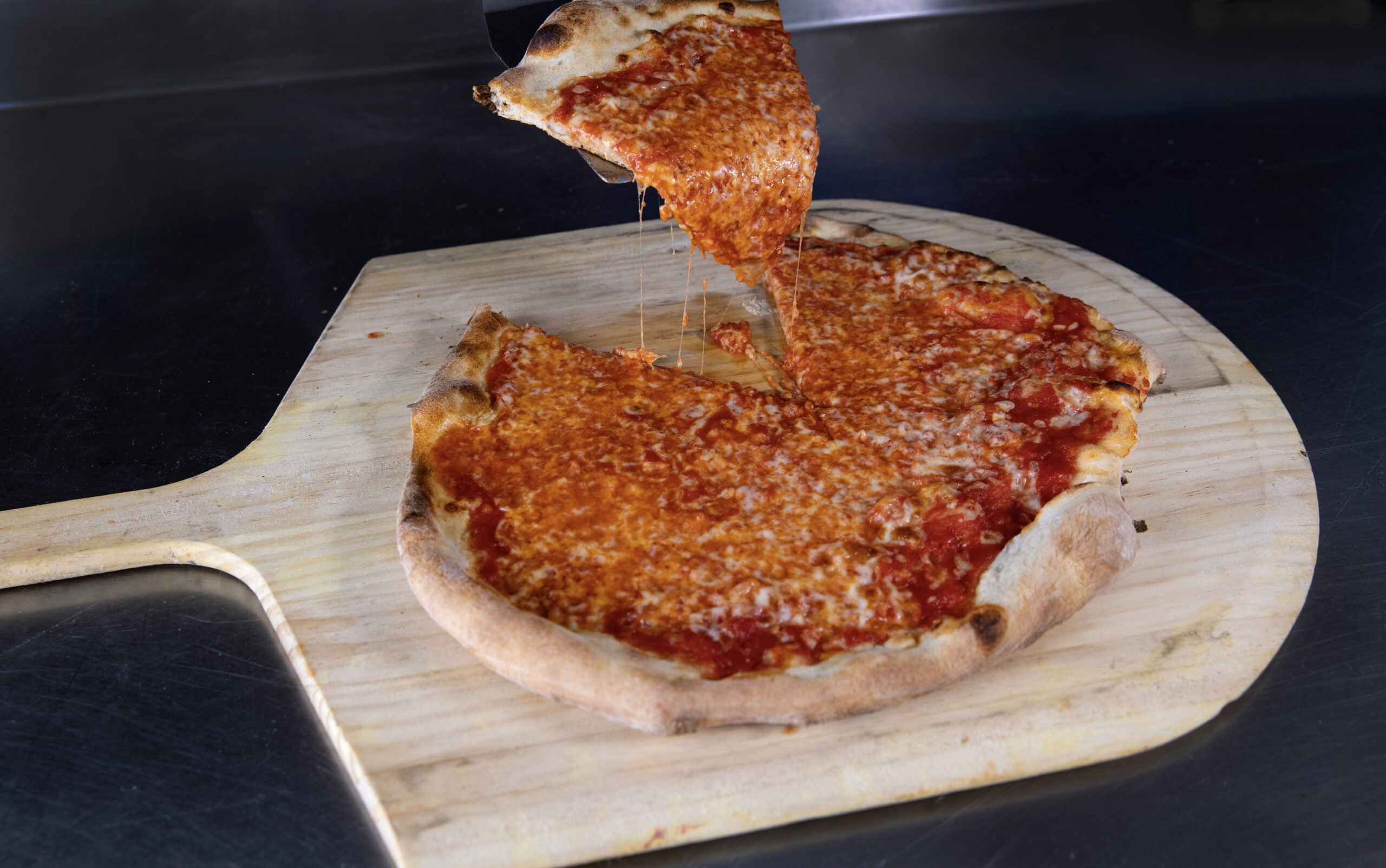
There are meals people crave because they are fashionable, and there are meals people crave because they satisfy something deeper. Deep dish cheese pizza belongs firmly in the second category. It is warm, substantial, unapologetically rich, and built for the kind of hunger that asks for more than a quick bite. A good one arrives at the table with weight to it. The pan is hot, the cheese stretches, the sauce sits bright on top, and the crust has enough structure to carry all of that richness without collapsing. Few foods deliver comfort this directly.
That comfort is not accidental. Deep dish is engineered to be generous. It uses height, heat, fat, and time in a way that standard thin pies do not. It asks the dough to behave more like a pastry shell than a simple bread base. It asks the cheese to do more than melt. It asks the sauce to stay fresh and vivid despite a long bake. When those pieces come together, the result is far more than a novelty pizza style. It becomes a complete eating experience, one with its own logic and pleasures.
Cheese Pizza often gets dismissed as basic, as though simplicity means lack of skill. In practice, the opposite is true. When there are no pepperoni slices, sausage chunks, or vegetables to distract from flaws, the fundamentals have nowhere to hide. The dough has to be properly mixed and proofed. The cheese blend has to melt evenly and taste clean. The tomato layer has to bring acidity without turning watery. Deep dish makes those demands even more obvious because every component is amplified.
Why deep dish feels different
The first thing to understand about deep dish is that it is not merely a thick pizza. Thickness alone does not define it. Plenty of pizzas have a heavy crust and still eat like bread with toppings. Deep dish is assembled with a different intention. The dough is pressed into a deep, well-oiled pan so it climbs the sides and forms a shell. Cheese goes in early, often directly on the dough, followed by any additional toppings if used, then a layer of tomato sauce. That reverse order protects the cheese from overbrowning during the long bake and gives the finished pie its distinctive look and texture.
That structure changes the eating experience immediately. On a thin crust pie, your first impression is often char, chew, and surface toppings. On deep dish, your first impression is thermal and textural. You feel the heat held in the dense filling. You meet molten cheese before you reach the crust. The sauce lands later, adding brightness after the richness has already settled in. It is a slower sequence, and that pacing is one reason people find it so satisfying.
A properly made deep dish also has a crust unlike standard hand-tossed dough. In many kitchens, it includes some fat in the dough, sometimes oil and sometimes butter, which tenderizes the structure and encourages a more biscuit-like crispness at the edges. The best versions are not tough, and they are not raw in the center. They should have a fried note along the outside where dough meets pan oil, a delicate flake in the upper walls, and a sturdy, almost shortbread-like base that still feels savory rather than sweet.
The case for keeping it cheese only
There is a reason a plain deep dish can be more memorable than one loaded with toppings. Cheese-only versions reveal proportion in a way that heavily topped pies rarely do. They let you taste the balance between dairy sweetness, tomato acidity, and toasted dough. They also solve a practical issue. Toppings release moisture, especially vegetables and many meats. In a deep pie, where the filling is already substantial, excess water can dull flavor and soften the crust. A Cheese Pizza avoids much of that risk.
At its best, the cheese filling should feel layered rather than monotone. Mozzarella is usually the foundation, but not all mozzarella behaves the same way. Low-moisture mozzarella gives deep dish the reliable pull and concentrated milk flavor most people expect. Fresh mozzarella, though appealing in theory, often throws too much water into the equation unless handled carefully. Some cooks add a little provolone for complexity, or a modest amount of parmesan for nutty sharpness. The key is restraint. Too many cheeses fight each other. A deep dish does not need a cheese board baked into a crust.
I have had deep dish cheese pies that looked spectacular and tasted muddy because the cheese blend chased intensity instead of balance. I have also had modest-looking pies made with a single well-chosen mozzarella that outperformed them entirely. In those cases, the tomato had room to speak, the crust stayed crisp, and the overall effect was cleaner and more craveable. Rich food benefits from clarity.
Sauce matters more than most people realize
People often talk about crust and cheese first, but sauce decides whether the final slice feels lively or heavy. Because it sits on top in many deep dish styles, the sauce becomes the last major flavor your palate registers. If it is flat, sweet, or overcooked, the entire pie tastes duller than it should. If it is bright and lightly seasoned, it cuts through the dairy and resets the palate for the next bite.
The ideal deep dish tomato sauce is not usually a long-simmered Sunday gravy. That kind of sauce can be delicious in pasta dishes, but on a pizza it often reads too dense. Most strong deep dish sauces are relatively simple, built from crushed or lightly broken tomatoes with garlic, salt, oregano or basil, and perhaps a touch of olive oil. Some kitchens cook it briefly, others barely at all before it hits the pie. Either approach can work if the tomatoes themselves taste good and the moisture level is under control.
Acidity deserves special respect here. Many home cooks reduce tomato brightness because they worry it will taste sharp. In reality, a slightly brighter sauce is exactly what a deep cheese pie needs. The sauce should not be sour, but it should wake up the richness. That is part of why the best slices taste oddly balanced despite their heft. They are rich, yes, but they are not sleepy.
What a great deep dish crust gets right
Crust is where deep dish wins or loses its reputation. Poor crust turns the style into a punchline. Good crust makes the whole thing coherent. The common complaints are familiar: too bready, too greasy, too dense, underbaked in the center, or soggy beneath the sauce. All of those flaws come from process more than concept.
Pan choice plays a major role. A dark steel pan tends to brown more aggressively than aluminum and can help create the crisp outer shell many people want. Generous oiling is not optional. It encourages frying at the edges and helps the pie release cleanly. Dough should be pressed evenly up the sides, with no thick corner clumps that stay pale and gummy. And the bake must be long enough to set the bottom before the top overreduces.
Temperature matters, but it is not just about blasting the oven. Home ovens often benefit from a relatively high bake, somewhere in the range of 425 to 475 degrees Fahrenheit, depending on the pan, dough hydration, and how much filling is used. Too cool, and the crust steams. Too hot, and the top scorches before the center catches up. Experienced bakers adjust with placement, sometimes starting lower in the oven to encourage bottom color, then moving higher if needed.
Resting time is another overlooked detail. Deep dish cut too soon can spill apart and seem wetter than it really is. Give it even eight to ten minutes after baking and the internal structure changes noticeably. Cheese settles. Steam disperses. Slices come out cleaner, and the crust stays intact. Patience is part of the recipe.
Why deep dish became comfort food, not just regional specialty
Comfort food earns its status by doing more than feeding people. It creates a sense of safety, reward, or ritual. Deep dish cheese pizza does that almost effortlessly. It arrives with drama, but not the fragile kind. It is sturdy, shareable, and forgiving of conversation. It suits birthdays, cold evenings, weekend dinners, and the nights when no one wants a delicate meal. You do not nibble it absentmindedly. You sit down for it.
That communal aspect matters. Deep dish is not usually an eat-while-walking food. It invites a table and a little time. In restaurants, there is often a wait because the pie bakes to order. Instead of feeling inconvenient, that delay can heighten anticipation. The meal begins before the pizza lands. You smell the crust, hear neighboring tables talk about their orders, and know something substantial is coming. Good comfort food often includes that build-up. It asks you to pause.
There is also a practical reason it reads as comfort. Calorie density aside, deep dish offers contrast in every bite: crisp and molten, acidic and creamy, airy and rich. Our brains like those combinations. They make the meal feel complete. A thin slice can satisfy, but deep dish feels like it has your full attention, and that fullness is part of the comfort.
Common mistakes in home kitchens
Making deep dish at home is very achievable, but it punishes shortcuts more than many pizzas do. A rushed dough or watery filling can undo an hour of work. The good news is that most mistakes are predictable.
Here are the problems I see most often when people try to make a deep dish Cheese Pizza at home:
- Using too much sauce, which steams the top and weighs down the slice.
- Choosing fresh mozzarella without draining it properly, which releases excess water.
- Underbaking the crust because the top looks done before the bottom is set.
- Skipping the pan oil, which costs both flavor and texture.
- Cutting immediately after baking, which makes even a well-made pie seem unstable.
None of these issues are hard to fix. In fact, one of the pleasures of home pizza is how quickly your judgment improves after a batch or two. You learn how your oven browns, which pan conducts best, and how much cheese your dough can support before the balance tips from indulgent to heavy.
I still remember a test bake years ago in a rental apartment with an unreliable electric oven that ran hot on one side and weak on the other. The first pie looked gorgeous at the rim and pale underneath. I rotated the next one twice, lowered the rack, and gave the pan a few extra minutes before unmolding. Same dough, same cheese, same sauce, very different result. Pizza teaches you to pay attention.
Deep dish versus other pizza styles
Comparing deep dish to other pizzas can be useful, but only if the comparison is fair. It is not trying to do the job of a New York slice or a Neapolitan pie. A foldable street slice is designed for portability, speed, and chew. A Neapolitan pizza is about tenderness, blistering heat, and a soft, delicate center. Deep dish aims for layered richness and structural comfort. Judging it by the standards of thinner styles misses the point.
That said, there are trade-offs. Deep dish takes longer to make and longer to bake. It is harder to eat casually. It can feel too heavy in hot weather or at lunch if you need to stay sharp through the afternoon. It also depends more on proportion. A small imbalance in sauce or cheese is magnified because each slice contains so much of both.
But there are moments when no other style satisfies the same craving. On a cold night, or at the center of a family-style meal, or when you want one dish that genuinely feels like dinner, deep dish earns its place easily. It is not better than every pizza. It is better at being itself.
Building a better slice at home
If you are making one from scratch, success starts with accepting what deep dish needs. It needs time, enough fat to develop character, and ingredients with controlled moisture. Dough should be supple, not dry. Cheese should be flavorful but not wet. Tomatoes should taste fresh, even after baking. And the pan should help the crust brown rather than merely contain the dough.
One useful way to think about proportion is by weight rather than volume. Home cooks often overload deep dish because shredded cheese looks modest before it melts. Once it collapses, though, the volume becomes dense very quickly. For a typical 10-inch to 12-inch deep dish, a pound of low-moisture mozzarella can already be plenty depending on the dough thickness and pan depth. Sauce may need to be less than you think as well. You want coverage, not burial.
Seasoning should be deliberate. Salt needs special care because cheese already brings a lot of it. If the sauce is assertively salted before baking, the finished pie can cross into harshness. Herbs should support, not dominate. Dried oregano can be pleasant, but too much makes the pie taste dusty. A little grated hard cheese on top near the end of baking can add savor, though it should never form a rigid crust that distracts from the tomatoes.
For home cooks without a dedicated deep dish pan, a well-seasoned cast iron skillet can produce excellent results. It browns aggressively, retains heat well, and gives the bottom a strong chance of crisping before the top dries out. The only caution is depth. Very deep skillets may require slight adjustments in bake time and dough amount to avoid an overthick base.
Serving it well
Deep dish rarely needs much on the side, but a few smart choices improve the meal. Something sharp, bitter, or lightly acidic can keep the richness from becoming tiring. A simple salad with assertive vinaigrette works well. So do roasted vegetables with a little char. Even sparkling water with lemon can make a surprising difference, especially when the cheese is at full strength and the crust is particularly buttery.
If you are serving a group, cut smaller pieces than instinct suggests. Deep dish is more filling than it looks, and modest slices let people come back for a second piece without regret. That is usually a better experience than handing everyone a huge wedge that turns the meal into a challenge.
Reheating is another area where a little technique matters. Microwaving will warm the center but sacrifices the crust. A skillet over medium-low heat, loosely covered for part of the time, does a much better job. The bottom re-crisps, the cheese softens, and the slice tastes closer to fresh. An oven works well too, especially for multiple pieces, but the skillet method is excellent for one or two slices and takes less time than people expect.
What people get wrong about indulgence
There is a persistent habit Cheese Pizza of treating rich food as though it must be either guilty pleasure or culinary joke. Deep dish deserves better than that. Richness is not a flaw when it is managed with skill. Butter in pastry, cream in a sauce, fat in a braise, all of these can create depth and pleasure when balanced properly. Deep dish cheese pizza belongs in that same category. It is indulgent, yes, but indulgence can still be disciplined.
You see that discipline in the best versions. The sauce tastes of tomato rather than sugar. The crust is crisp rather than greasy. The cheese is generous but not chaotic. The slice holds together. You feel full after eating it, but not dulled by it. That distinction is important. Comfort food should soothe, not punish.
A truly good deep dish also has an emotional honesty that people respond to. It does not pretend to be light, trendy, or austere. It promises satisfaction and then tries to deliver it through technique, not gimmicks. That straightforwardness is part of its appeal. When made well, it reminds you that pleasure in food does not have to be complicated to be legitimate.
The enduring appeal of deep dish cheese pizza
Part of the reason deep dish has lasted is that it creates memory. People remember the first time they pull a slice free and see the cheese stretch from pan to plate. They remember the smell of toasted dough and oregano, the way the sauce stains the knife, the sound of a crust cracking lightly at the edge. They remember sharing it, waiting for it, arguing over the last piece. Comfort foods endure because they attach themselves to moments as much as flavors.
Deep dish cheese pizza also survives trend cycles because it satisfies a basic truth about eating. Sometimes people want elegance. Sometimes they want speed. Sometimes they want restraint. And sometimes they want a meal that feels warm, substantial, and complete from the first bite to the last. Deep dish answers that need with unusual confidence.
When the dough is properly baked, the cheese chosen with care, and the sauce allowed to stay bright, a deep dish Cheese Pizza becomes far more than a heavy pie. It becomes one of the clearest examples of why comfort food matters at all. It does not merely fill you up. It restores mood, slows the evening, and turns a simple dinner into something people look forward to all day. That is why it remains a favorite, and why, for many eaters, it always will.
Brooklyn Pizza
1647 Arapahoe Ave
Boulder, CO 80302
+1 720-328-2324
FAQ About Cheese Pizza
What type of cheese is used on a cheese pizza in Boulder, CO?
The cheese varies by pizzeria. Brooklyn Pizza uses whole-milk mozzarella made in-house on its standard pies and offers a plant-based cheese option for vegan pizza. Ask the shop directly about ingredients if you have a dietary restriction.
How many slices are in a large pizza in Boulder, CO?
Slice count depends on how the shop cuts the pie. Brooklyn Pizza lists a 16-inch large pizza. If you are ordering for a group, call to confirm the number of slices or ask whether a smaller cut is available.
What is New York style pizza in Boulder, CO?
New York-style pizza usually has a thin crust and wide slices that can be folded. A classic cheese slice pairs tomato sauce with mozzarella. Brooklyn Pizza serves New York-style pizza by the slice and as whole pies.