The Ultimate Guide to Cheese Pizza for Every Pizza Lover
@riverbrwu474
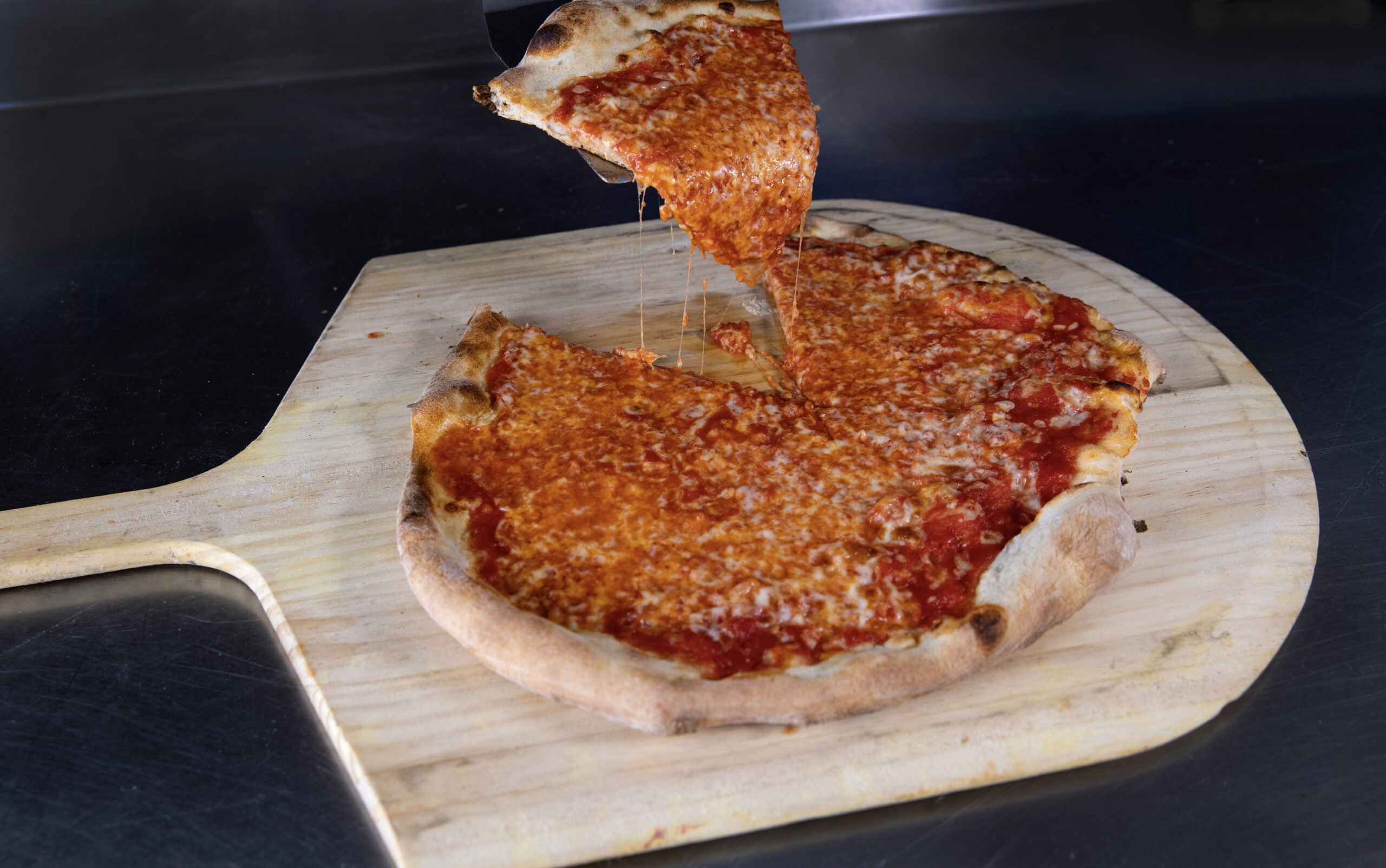
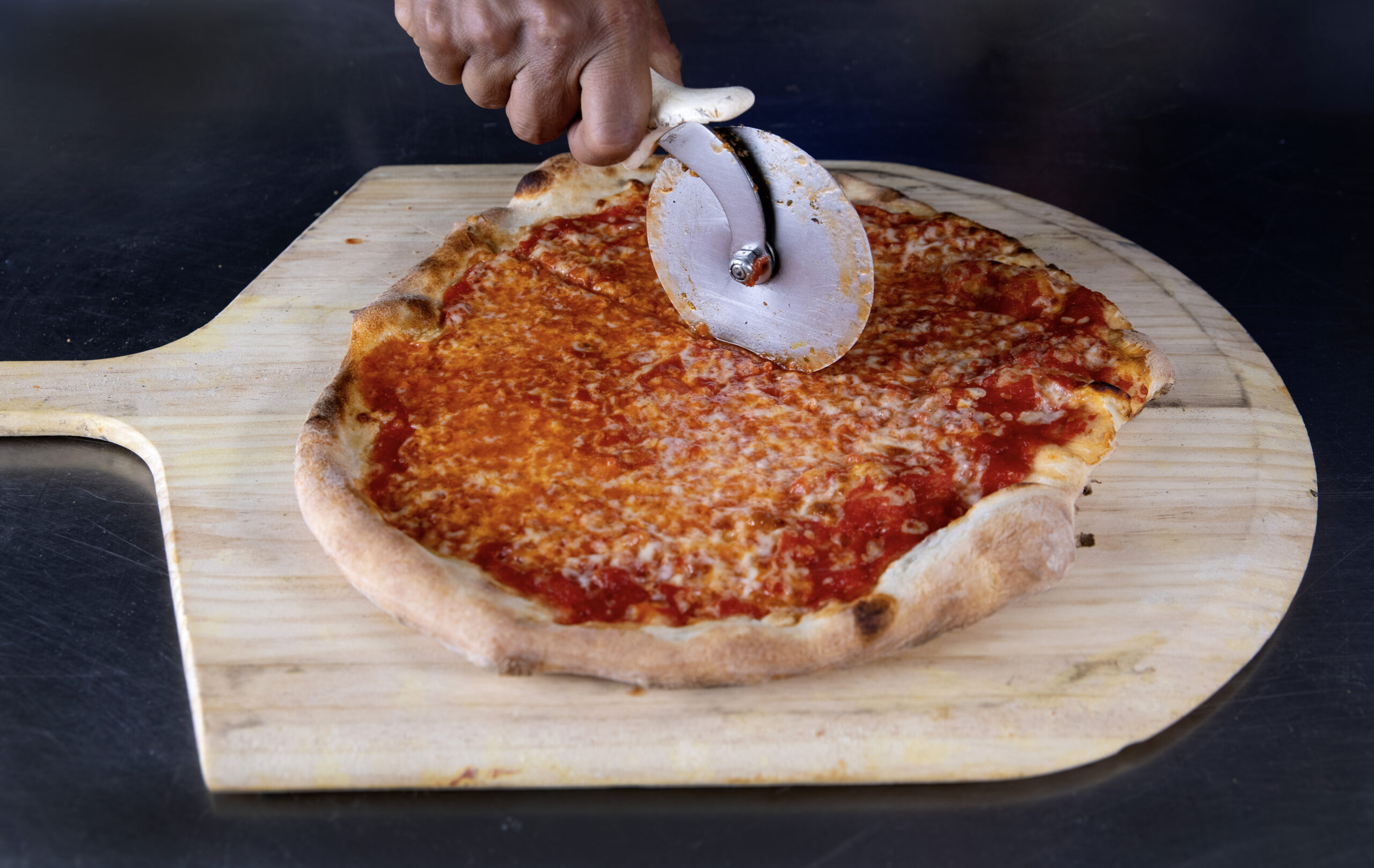
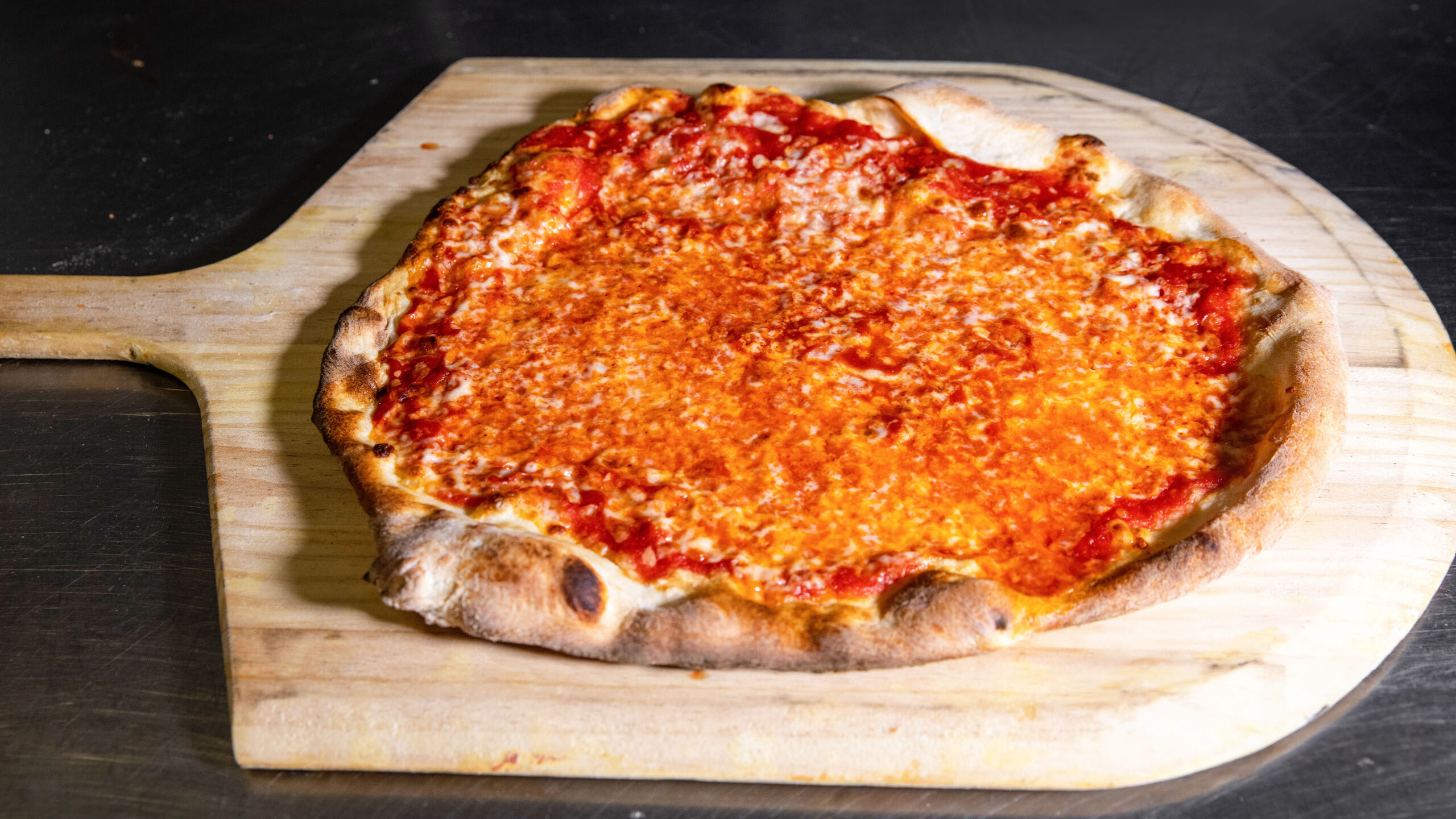
Cheese pizza is often treated like the default setting of pizza, the thing you order for a group when you are trying to avoid debate. That undersells it badly. A well-made cheese pizza is not a blank canvas waiting for toppings. It is a finished dish with nowhere to hide. Every decision matters, from the flour blend and fermentation to the moisture content of the cheese and the heat of the oven. When it is done right, cheese pizza delivers one of the purest expressions of balance in cooking: crisp and tender crust, bright tomato, rich dairy, salt, char, and aroma in one bite.
That simplicity is exactly why professionals respect it. In many pizzerias, a plain pie is the quiet benchmark of the kitchen. If the dough is weak, you will notice. If the sauce is too sweet, too acidic, or too wet, you will notice. If the cheese breaks into oily puddles instead of melting into a smooth blanket, you will notice. A cheese pizza tells the truth.
For home cooks, it is also the best style to learn first. Toppings can distract from mistakes, but they can also create new ones by adding excess weight and moisture. Cheese pizza teaches restraint. It forces attention onto the fundamentals, and once those are solid, every other pizza becomes easier.
Why cheese pizza deserves more respect
People sometimes talk about cheese pizza as though it is for kids, picky eaters, or people who cannot decide. That view tends to disappear once they eat one made with intention. The best cheese pizzas have depth that sneaks up on you. The sauce brings sweetness, acidity, and herbs if used. The cheese contributes fat, salt, and a toasty milkiness when browned. The crust gives texture and the fermented flavor that makes great pizza taste like more than bread with toppings.
There is also a practical reason cheese pizza remains a staple in serious pizza shops. It reveals consistency. A pepperoni pie can still taste good if the dough was slightly under-proofed or the sauce ran a little heavy. Cheese pizza is less forgiving. Operators know this. Many will taste a plain slice first when checking a new dough batch, an oven adjustment, or a new cheese supplier.
The style itself shifts depending on where you are. In New York, a classic cheese slice often features a thin, foldable crust, low-moisture mozzarella, and a restrained layer of sauce. In a Neapolitan pizzeria, the same basic idea becomes softer, more blistered, and more delicate, with fresh mozzarella and a quicker bake at far higher heat. In the Midwest, tavern-style cheese pizza leans crisp and cracker-thin, often cut into squares. Each version proves the same point: cheese pizza is not one thing. It is a family of techniques.
What makes a great cheese pizza
A memorable cheese pizza depends on proportion more than abundance. More cheese is not automatically better. Too much can insulate the surface, preventing proper browning and making the center greasy. Too much sauce can swamp the crust and turn the slice limp. Even the dough can be too thick for the style, creating a bread-first experience when what you want is harmony.
The sweet spot lies in balance. Cheese Pizza Brooklyn Pizza The crust should be sturdy enough to support itself but not dry. The sauce should taste like tomatoes, not sugar. The cheese should melt evenly and contribute flavor without burying everything underneath. The best versions leave you wanting another slice, not reaching for a napkin to blot oil.
Texture matters as much as flavor. A proper cheese pizza should offer contrast. The underside might crackle slightly while the crumb stays tender. The rim can be airy or dense depending on style, but it should not feel tough. The surface should show some mottling or Cheese Pizza browning. Uniformly pale cheese often means the bake was timid. Uniformly dark cheese usually means the pizza sat too long or the oven was mismanaged.
The crust sets the ceiling
No component affects the final result more than the dough. People often focus on sauce or cheese because those are easier to swap, but the dough determines the personality of the pizza. Flour choice influences chew and flavor. Hydration affects openness and handling. Fermentation shapes aroma, digestibility, and browning. Oven heat finishes the story.
For home pizza makers, the most common mistake is rushing fermentation. Dough that has not had enough time to mature tends to bake up flat in flavor and stubborn in texture. Even an overnight cold rise can make a visible difference. Stretching becomes easier, the crust colors more evenly, and the finished bite has more character. In a professional setting, dough schedules are built around this fact. Timing is not a small detail. It is the framework.
Hydration deserves a little nuance. A higher-hydration dough can produce lovely open structure and tenderness, but it also demands experience and strong heat. If you are baking on a sheet pan or in a moderate home oven, a slightly lower hydration often produces a better practical result because it is easier to shape and less likely to stick. There is no prestige in making a dough that looks impressive in a recipe video but turns into a frustration on the peel.
Flour choice is another quiet variable. Bread flour usually delivers more chew and structure. All-purpose flour can work beautifully for thinner styles and is often easier to find. Some bakers add a little olive oil or sugar, particularly for lower-temperature home ovens, to encourage tenderness and browning. Purists may object in certain regional styles, but pizza making has always been more adaptive than people admit.
Sauce should support, not dominate
Good pizza sauce is usually less complicated than new cooks expect. In many cases, crushed tomatoes with salt are enough. Maybe a little olive oil. Maybe a touch of oregano or garlic, depending on the style. The point is not to build a pasta sauce. Long-cooked sauces can become too heavy and sweet for pizza, especially on a cheese pie where there are fewer toppings to absorb the intensity.
Tomatoes vary widely in acidity, sweetness, and water content, so there is no universal formula. Some canned tomatoes are bright and balanced straight from the can. Others need draining or a light hand because they will release too much liquid in the oven. Fresh tomatoes can be wonderful in season, but they are often less practical for consistent pizza sauce unless you know exactly how they behave.
One of the easiest ways to ruin a cheese pizza is to over-sauce it. The instinct is understandable because the sauce tastes good in the bowl. On the dough, though, excess moisture prevents the center from setting properly. This is why experienced pizza makers spread sauce thinly and leave a border. You want enough coverage to taste tomato in every bite, but not so much that the slice droops from the middle like wet cardboard.
Choosing the right cheese
When people say "cheese pizza," they usually mean mozzarella pizza, but mozzarella itself comes in very different forms. Low-moisture mozzarella is the workhorse in many American pizzerias because it melts predictably, browns nicely, and carries less water. Fresh mozzarella offers a softer, milkier flavor and a luxurious texture, but it needs more care. If applied too heavily or without draining, it can flood the surface and compromise the bake.
Whole-milk low-moisture mozzarella tends to bring more richness and better browning than part-skim, though part-skim can produce a firmer, less oily finish that some operators prefer. There is no single right answer here. It depends on style, bake time, oven temperature, and the experience you want from the slice.
Blends can be excellent when used with judgment. A little provolone can deepen flavor. A touch of pecorino or parmesan can sharpen the top note. Even then, restraint matters. Cheese pizza is not improved by treating the pie like a fondue project. You want integrated flavor, not a dairy pile-up.
A useful rule in practice is to distribute cheese to the edge of coverage, not to maximum density. You should still be able to see hints of sauce through the melt on some styles. That visual lightness usually corresponds to better balance on the plate.
Heat changes everything
Pizza is a high-heat food, and cheese pizza especially benefits from decisive baking. In a wood-fired oven running very hot, the pie might finish in well under two minutes. In a home oven, even one set as high as it goes, you are usually working with longer bake times unless you have a pizza steel, a baking stone, or a dedicated pizza oven.
This difference affects every other choice. Fresh mozzarella that performs beautifully at extreme heat may leak too much moisture during a longer home bake. Dough formulas designed for 800-degree conditions may not brown attractively at 500 degrees without some adjustment. Many home bakers chase restaurant results without adapting to the realities of their ovens. That gap causes more disappointment than almost any ingredient issue.
A preheated steel often gives the biggest improvement for home cheese pizza because it boosts bottom heat and helps set the crust quickly. If you have ever baked a pizza that looked cooked on top but stayed pale and soft underneath, that is usually a heat transfer problem, not a topping problem. The steel stores and releases heat far more aggressively than a standard sheet pan.
Broiler finishing can also help. A brief blast at the end encourages browning on the cheese and adds visual appeal. The key is attention. Cheese goes from mottled and appetizing to scorched surprisingly fast.
Style matters more than rules
There is no universal blueprint for cheese pizza, and much confusion comes from comparing one style to another as though one must be correct. A New York slice and a Neapolitan margherita are both legitimate, but they ask different things of dough, cheese, and oven.
New York-style cheese pizza values foldability, balance, and a bake that leaves the slice structured but flexible. The cheese is usually low-moisture mozzarella, applied with moderation. The sauce is seasoned but not loud. The crust has chew but not heaviness.
Neapolitan-style cheese pizza, if we include the classic margherita in this family, leans softer and more delicate. The dough is often more hydrated and minimally topped. Fresh mozzarella is common. The center may be wetter than some American diners expect, and that is part of the style, not a flaw.
Sicilian and Detroit-style cheese pizzas tell a different story again. Here the crust becomes a major event: thick, airy, crisp at the edges, often with caramelized cheese where it meets the pan. These styles prove that cheese pizza can be as much about textural drama as elegant restraint.
Tavern-style cheese pizza, often overlooked outside its home regions, can be one of the most addictive forms of all. Thin, crisp, cut into squares, and built for continuous eating, it shows how a cheese pizza can feel light even while delivering serious flavor.
The home kitchen reality
Most people making cheese pizza at home are not working with commercial deck ovens, proofing cabinets, or flour milled for a specific pizzeria program. That does not mean excellent results are out of reach. It means the best approach is usually practical rather than purist.
If your oven tops out around 500 to 550 degrees, work with that instead of against it. Preheat thoroughly, longer than you think you need. Use a steel or stone if possible. Do not overload the pie. Drain fresh mozzarella if you use it. Let dough warm enough to stretch without tearing, but not so warm that it becomes slack and sticky.
I have seen more home pizzas improved by using less sauce and less cheese than by any expensive gadget. Once people stop piling on toppings, they discover their crust browns better, their slices hold together, and the flavor becomes clearer. There is a moment when the instinct to maximize gives way to the discipline of editing. That is often the turning point.
There is also no shame in using quality store-bought dough if it gets you cooking more often. Fresh dough from a local bakery or pizzeria can outperform poorly made homemade dough every time. The goal is not to win a technical purity contest. The goal is to make a cheese pizza you want to eat again.
Common mistakes that flatten the final pie
Some pizza errors are obvious only after you have made them a few times. A dough ball that feels nicely soft on the counter can stick hopelessly to the peel if you wait too long to launch. Fresh mozzarella can look beautifully generous before baking and then leave a puddle in the center. A sauce that tastes lively from the spoon can become harsh once reduced by oven heat.
The recurring problem underneath many of these issues is excess. Too much water, too much topping, too much handling, too much waiting. Cheese pizza tends to reward confidence and restraint. Shape the dough, top it promptly, and get it into the oven. Let the ingredients do their work.
Another common misstep is slicing immediately. Pizza smells so good out of the oven that patience feels unreasonable, but a short rest matters. Even a minute or two helps the cheese settle and the steam distribute. Cut too soon and molten cheese can slide, taking the top layer with it.
How to tell when a cheese pizza is truly done
Doneness is not just about the timer. It is visual, tactile, and aromatic. The cheese should be fully melted, with browning appropriate to the style. The rim should show color, from light gold to deeper charred spotting. The bottom should feel firm enough to support the slice, not limp or damp.
The smell tells you plenty too. Undercooked pizza smells predominantly of raw dough and warm dairy. Properly baked cheese pizza develops toasted, nutty notes from the crust and browned milk solids. If the pizza looks finished but lacks that aroma, it may need another brief stretch in the oven.
One useful habit is lifting the edge with tongs or a peel to inspect the underside. This is especially important in home ovens, where top heat and bottom heat often run out of sync. A beautifully bronzed surface with a pale bottom is not finished, at least not if you care about texture.
Pairing, serving, and eating it at its best
Cheese pizza is at its peak within minutes of baking, but the way you serve it still matters. A hot pie on a cold plate can lose crispness quickly from trapped steam. A cutting board or pizza screen vents better if you are serving several people casually. If you are making multiple pies, avoid stacking slices. That shortcut softens the crust fast.
As for pairings, cheese pizza is generous. A crisp salad with bitter greens can balance richness. Sparkling water cuts through fat better than still water. Beer works well, especially lighter lagers, pilsners, or amber styles. Wine can be excellent too, particularly reds with enough acidity to meet the tomatoes without bullying the cheese.
Leftover cheese pizza has its own pleasures. Reheated in a skillet or hot oven, it can regain much of its texture. Microwaving is convenient but usually softens the crust and separates the cheese. Cold leftover pizza has its loyalists, and on a good pie, I understand why. Still, a quick reheat often brings the structure back to life.
The quiet mastery of a plain pie
The longer you spend around pizza, the more you realize that cheese pizza is not basic in the dismissive sense. It is basic in the foundational sense. It is the dish that teaches proportion, patience, heat management, and ingredient judgment. It is where skill becomes visible.
That is why seasoned pizza makers often return to it, even after experimenting with elaborate toppings and regional hybrids. A plain pie strips away decoration. What remains is craft. Flour, water, salt, tomatoes, cheese, heat. Few foods ask for so little and reveal so much.
For every pizza lover, that is the real appeal. Cheese pizza can be weeknight comfort, late-night ritual, family compromise, or professional benchmark. It can be blistered and elegant, crisp and square, foldable and streetwise, pan-baked and deeply caramelized. Its range is wider than people assume, and its ceiling is far higher.
Once you start paying attention to the details, you never quite see cheese pizza the same way again. It stops being the thing you order when you do not want to think. It becomes the thing you order, or make, when you want to taste everything that matters.
Brooklyn Pizza
1647 Arapahoe Ave
Boulder, CO 80302
+1 720-328-2324
FAQ About Cheese Pizza
What type of cheese is used on a cheese pizza in Boulder, CO?
The cheese varies by pizzeria. Brooklyn Pizza uses whole-milk mozzarella made in-house on its standard pies and offers a plant-based cheese option for vegan pizza. Ask the shop directly about ingredients if you have a dietary restriction.
How many slices are in a large pizza in Boulder, CO?
Slice count depends on how the shop cuts the pie. Brooklyn Pizza lists a 16-inch large pizza. If you are ordering for a group, call to confirm the number of slices or ask whether a smaller cut is available.
What is New York style pizza in Boulder, CO?
New York-style pizza usually has a thin crust and wide slices that can be folded. A classic cheese slice pairs tomato sauce with mozzarella. Brooklyn Pizza serves New York-style pizza by the slice and as whole pies.